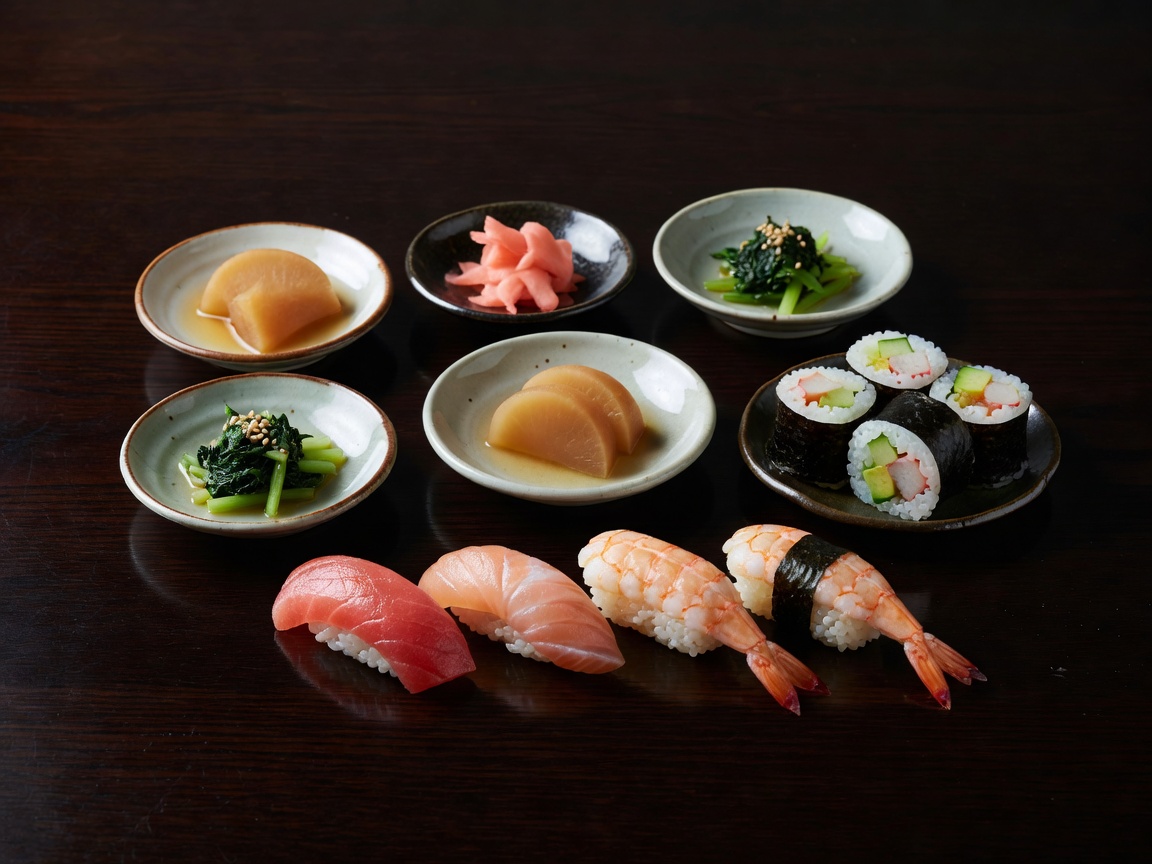
Food traditions hold more variety than a list of country names suggests. A single cuisine can include regional ingredients, cooking methods, seasonal dishes and very different ideas of a shared meal. For diners, that diversity is an invitation. For recommendation systems, it’s a challenge: broad labels can be useful, but they can flatten the details that make a dish distinctive.
Explore by flavour, ingredient or format
Instead of starting with a cuisine label, begin with something you already know. Perhaps you enjoy citrus, toasted spices, herbs, fermented flavours, slow-cooked sauces or crisp textures. You might like meals built for sharing, a bowl of noodles, grilled seafood or a comforting baked dish. These clues provide a practical route into unfamiliar menus without suggesting that every dish in a culinary tradition tastes the same.
For example, someone who likes bright acidity and fresh herbs could explore a range of Mediterranean-inspired dishes. A preference for broths and savoury depth might point toward noodle soups or other comforting bowls. These are starting points, not definitions; ingredients and techniques vary widely between regions and restaurants.
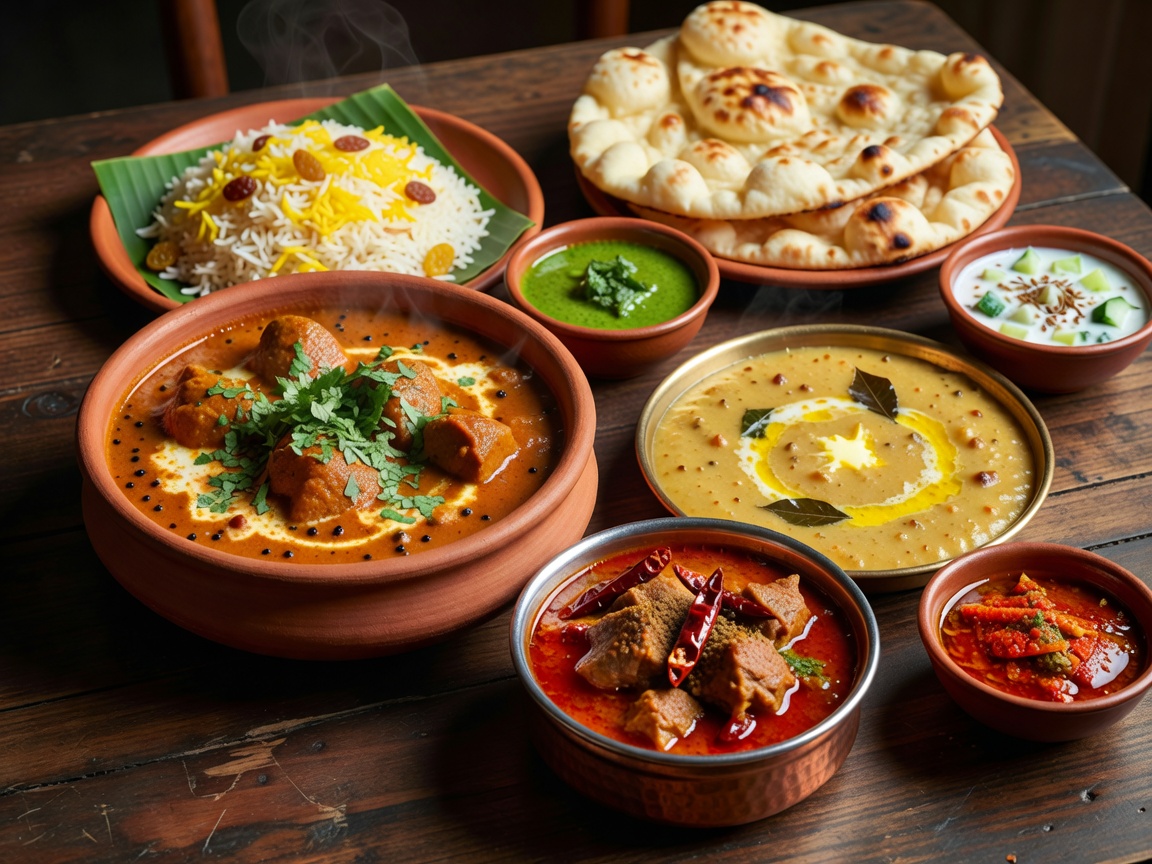
Make unfamiliar dishes feel approachable
A good discovery suggestion gives you context. It might explain a cooking method, name a central ingredient, describe the likely flavour balance or mention how a meal is usually served. That context can turn an intimidating menu into an interesting one. A recommendation might also offer a “bridge” dish: a familiar ingredient prepared with a new seasoning, or a known format from a cuisine you haven’t tried.
Consider a diner who enjoys grilled vegetables but rarely orders seafood. A useful next step could be a vegetable-forward restaurant with one seafood dish that sounds appealing, rather than a menu where every option feels unfamiliar. Likewise, someone who loves pasta might explore handmade dumplings or filled pastries through the shared pleasure of dough and filling. The comparison should invite exploration without claiming that the foods are interchangeable.
Regional variety deserves room
Terms such as “Indian,” “Japanese,” “Italian” or “Mediterranean” cover wide ranges of foodways. Ingredients, preparation and dining customs can change from one region to another. A recommendation system with only broad categories may repeatedly suggest the same familiar dishes, while overlooking local specialties and seasonal cooking. Better descriptions give diners more specific choices, and let them follow details that interest them.
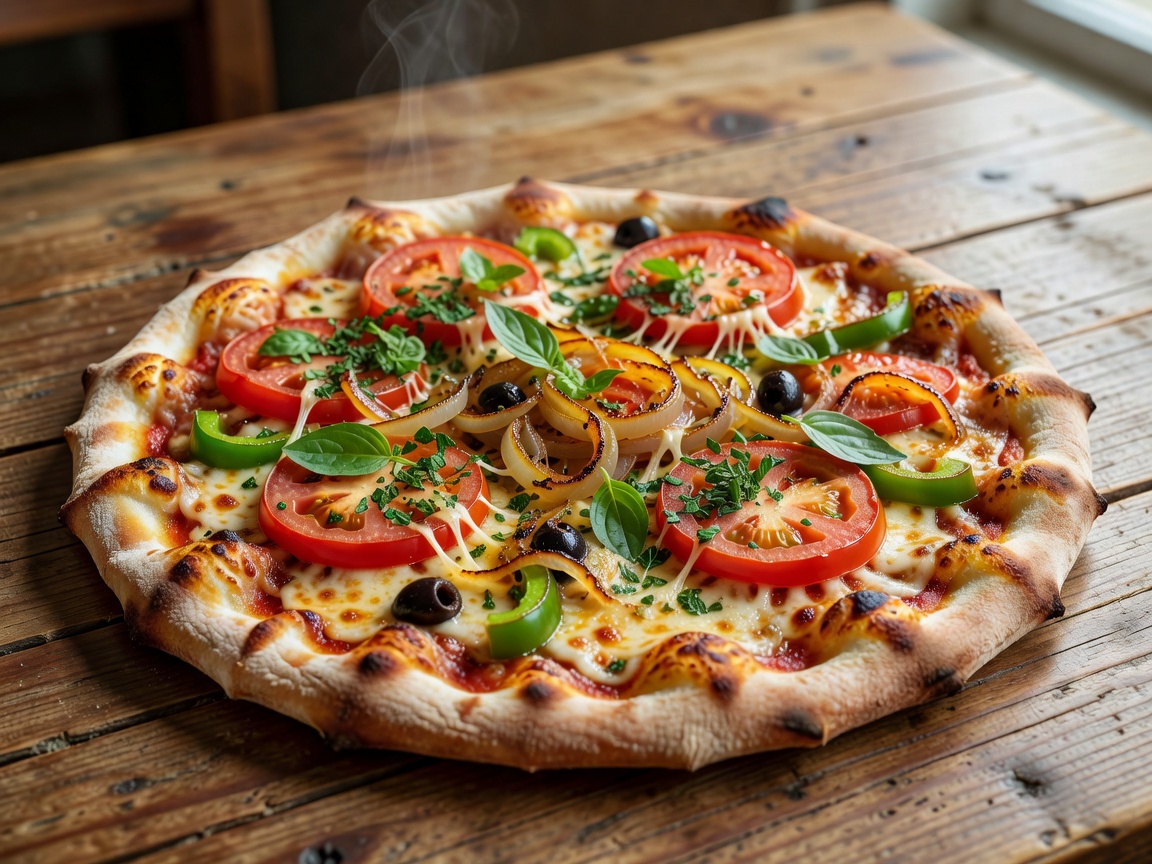
How recommendations can support discovery
Systems can connect declared interests—spice level, ingredient preferences, meal format or atmosphere—to descriptions of dishes and restaurant menus. They may also use feedback such as “more like this,” “not for me” or “show something different.” This can help someone browse a large set of possibilities in a more intentional way.
The trade-off is that recommendations are only as specific as their information. A menu may list a dish name without enough explanation. A cuisine tag may be overly broad. The model may infer a preference from one selection that was made for somebody else. It can also over-personalise, serving variations on familiar picks instead of genuine discoveries. Give the system a clear invitation to vary the results, and treat its suggestions as ideas to investigate.
A low-pressure discovery checklist
- Pick one flavour, ingredient or texture you already enjoy.
- Choose one new element to explore rather than changing every preference at once.
- Look for menus with useful descriptions and clear ingredient information.
- Ask how a dish is prepared if a detail matters to you.
- Share unfamiliar dishes when that suits your group, so everyone can try a little.
For a mixed group, it can help to compare food formats rather than ask everyone to agree on one cuisine. Share plates, separate mains, a range of sides or a menu with several cooking styles might make the outing more comfortable. Occasion matters, too: a first exploration may feel easier in a relaxed café or casual dining room than during a formal celebration.
Keep curiosity grounded in real information
Online descriptions can omit ingredients, preparation details and current availability. Menus change, and a dish associated with one restaurant may not be made the same way elsewhere. If you have a serious allergy, do not rely on recommendation summaries or menu tags: contact the restaurant directly to discuss ingredients and cross-contact. Confirm current opening hours and reservation arrangements with the venue.
Food discovery works best when technology helps you ask more interesting questions, not when it pretends to answer every one. Explore personalised restaurant recommendations to think about your wider dining brief, or read how to compare menus with care.
Ready to turn curiosity into a plan?
Match a promising cuisine idea with the occasion, group and practical details.
Plan a dining occasion